Exodus Wallet – Complete Overview and Explanation

Exodus Wallet is a popular multi-currency cryptocurrency wallet designed to make digital asset management simple, secure, and visually intuitive. Launched in 2015, Exodus has gained a strong reputation for its user-friendly interface and built-in exchange features, making it especially attractive to beginners while still offering useful tools for experienced crypto users.
1. What is Exodus Wallet?
Exodus is a non-custodial software wallet, which means users retain full control over their private keys and funds. Unlike custodial wallets provided by exchanges, Exodus does not store your crypto on its servers. Instead, your private keys are encrypted and stored locally on your device. This ensures that only you have access to your assets.
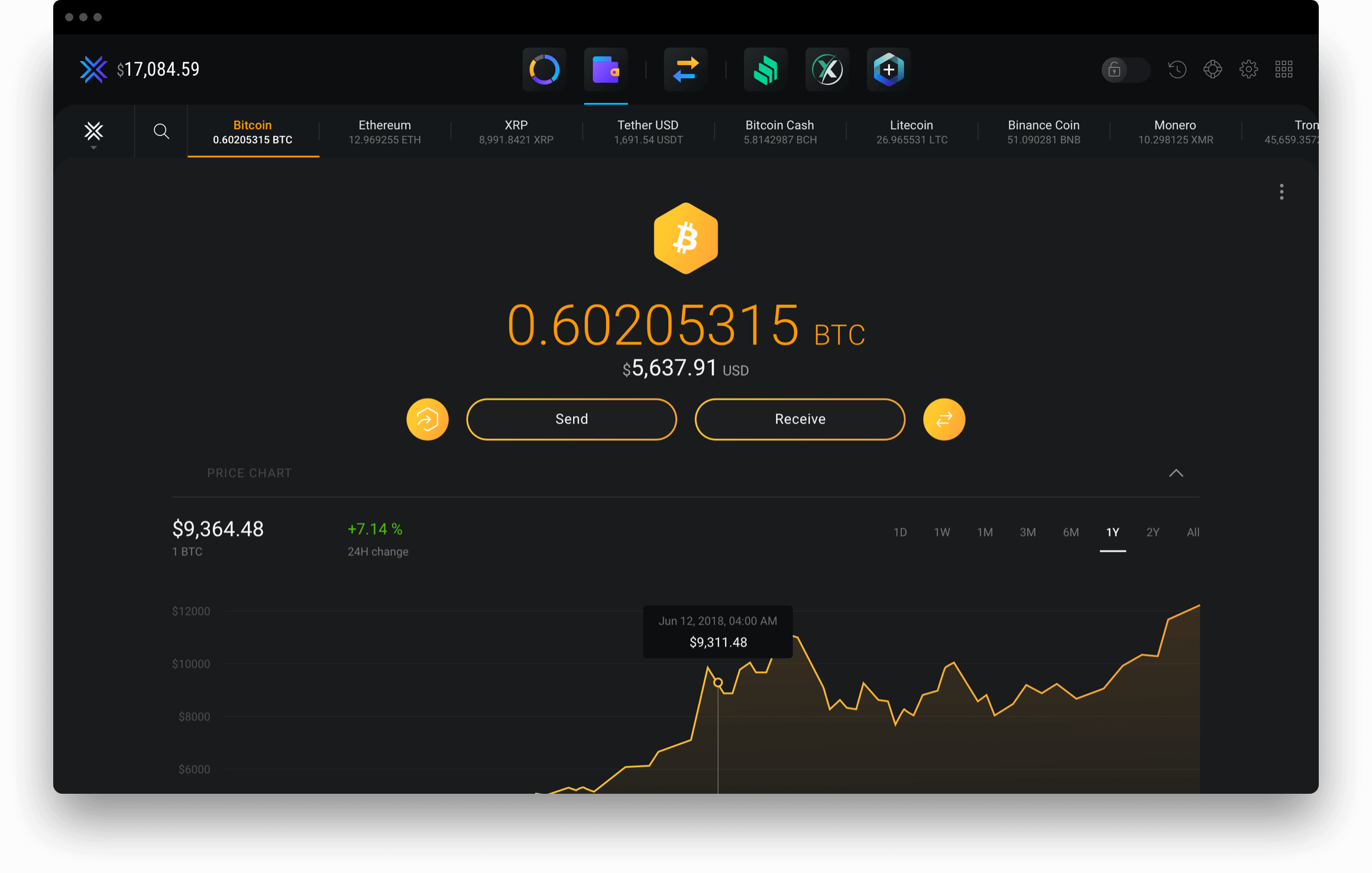
Exodus supports over 250 cryptocurrencies, including major assets like Bitcoin (BTC), Ethereum (ETH), Solana (SOL), Litecoin (LTC), and many ERC-20 tokens. It is available on multiple platforms, including Windows, macOS, Linux, iOS, and Android.
2. Key Features Explained
a) Built-In Exchange
One of Exodus’ standout features is its integrated exchange functionality. Users can swap one cryptocurrency for another directly inside the wallet without needing to transfer funds to a centralized exchange. This simplifies the trading process and reduces exposure to exchange hacks.
b) Portfolio Tracking
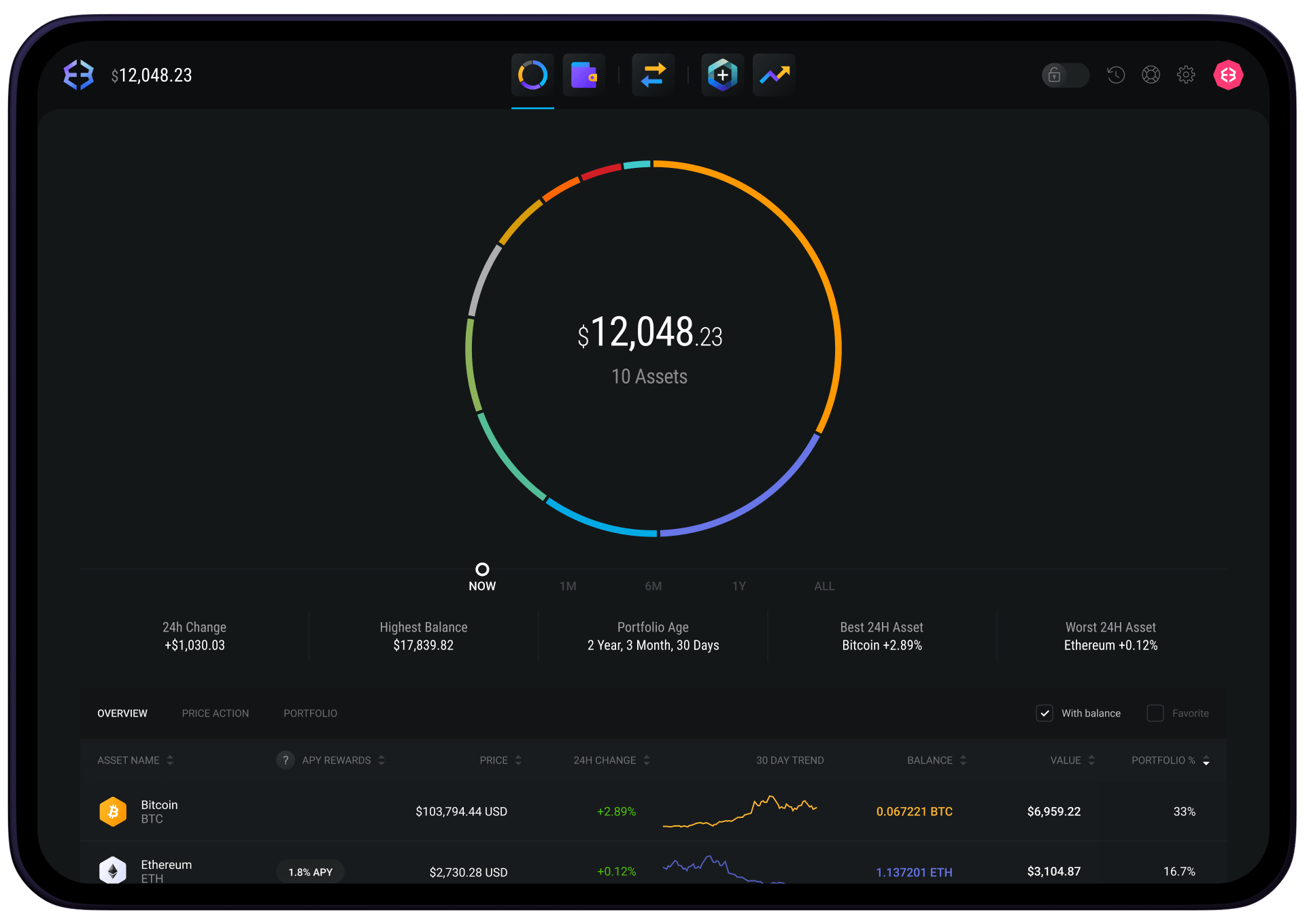
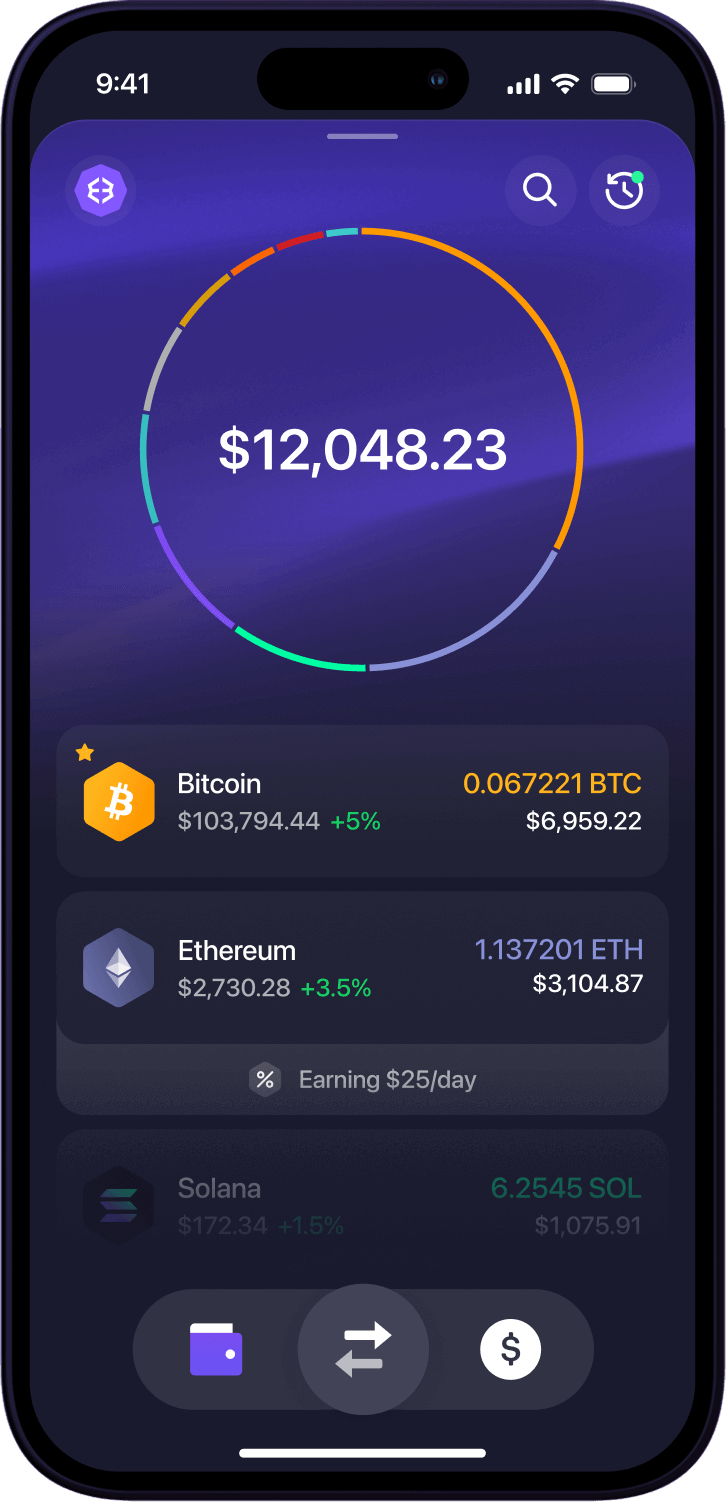
Exodus offers a visually appealing portfolio dashboard that displays your crypto holdings in real time. Users can monitor asset allocation, price changes, and overall portfolio performance. The interface is designed to be intuitive, even for those new to cryptocurrency investing.
c) Hardware Wallet Integration
For enhanced security, Exodus integrates with the Trezor hardware wallet. This allows users to manage their crypto through Exodus while keeping private keys stored offline on a Trezor device, significantly improving protection against online threats.
d) Staking Support
Exodus allows users to stake certain cryptocurrencies directly within the wallet. Staking enables users to earn passive rewards by participating in network validation. Supported staking coins include assets such as Solana, Cardano, and others, depending on availability.
e) 24/7 Customer Support
Unlike many crypto wallets, Exodus provides 24/7 customer support and extensive documentation. While they cannot access your funds (since it’s non-custodial), they assist users with technical guidance and troubleshooting.
3. Security and Privacy
Exodus encrypts private keys and transaction data locally on your device. During setup, users receive a 12-word recovery phrase, which acts as a backup. If your device is lost or damaged, this phrase can restore access to your funds.
However, it’s important to note that Exodus is not fully open-source, which has led some advanced users to prefer alternatives that provide complete code transparency. Nevertheless, its strong design, encryption standards, and hardware wallet compatibility offer solid security for most users.
4. Advantages and Disadvantages
Advantages:
- Easy-to-use interface
- Supports many cryptocurrencies
- Built-in exchange feature
- Hardware wallet compatibility
- Cross-platform availability
Disadvantages:
- Not fully open-source
- Exchange fees can be higher than dedicated trading platforms
- Lacks advanced trading tools
5. Who Should Use Exodus?
Exodus Wallet is ideal for beginners and intermediate crypto users who want a simple, all-in-one wallet solution. It balances usability and security while offering essential features like staking and portfolio management.
In summary, Exodus Wallet combines convenience, functionality, and visual appeal, making it one of the most accessible cryptocurrency wallets available today.